how much does professional car photography cost?
alright, let's get into this and break it down
If you’ve ever searched for professional car photography prices, you’ve probably noticed the answers are all over the place. Some photographers advertise shoots for under $100, while others charge well over $1000. The reality is, automotive photography pricing depends on far more than just somebody turning up with a camera.
Professional car photography is a specialised service. You’re not simply paying for a few photos — you’re paying for experience, location scouting, editing, equipment, lighting knowledge, timing, and the ability to make a car look its absolute best. Whether you’re booking a photoshoot for your pride and joy, creating content for social media, documenting a build, or preparing a car for sale, understanding what affects pricing helps you know what you’re actually paying for.
In Australia, beginner or amateur car photographers will may charge nothing at all or if they charge it can sit around $50–$150 for a basic shoot, often while they’re still building experience and a portfolio. Hobbyist or semi-professional photographers generally sit around the $150–$300 range, typically offering better editing, stronger locations, and more consistent results. Professional automotive photographers with established portfolios, advanced editing skills, and a premium client experience commonly charge anywhere from $300–$800+ depending on the shoot complexity, lighting situation, rolling shots, travel, and deliverables. Commercial automotive photography for dealerships, brands, workshops, advertising campaigns, or large-scale productions can range anywhere from $1000–$5000+ depending on licensing, production requirements, crew, and usage rights.
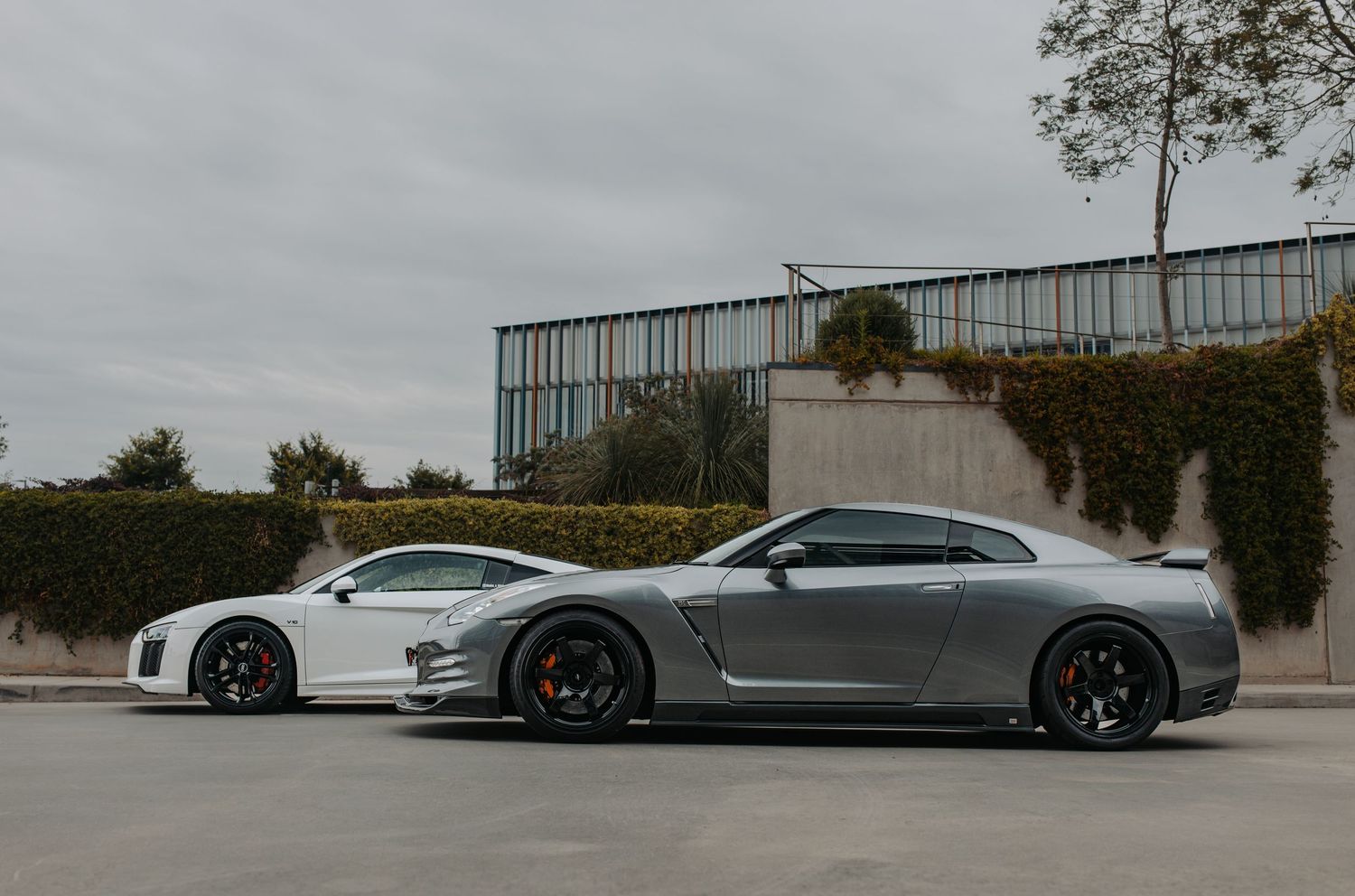
One of the biggest factors affecting automotive photography pricing is the type of shoot you want. A simple sunset photoshoot at a single location will naturally cost less than a full-day rolling shoot across multiple locations. Some clients only want a handful of clean hero shots, while others want detailed coverage including interior photos, rollers, cinematic compositions, and social media content. The more involved the shoot becomes, the more time is required both during the shoot and afterwards in post-production.
Editing is something many people underestimate when looking at pricing. Most of the final look you see in professional automotive photography happens after the camera has already been put away. A photographer may spend hours removing distractions, colour correcting paint, balancing reflections, fixing blemishes, cleaning up backgrounds, or blending multiple exposures together. Cars are highly reflective subjects and often require far more editing than standard portrait photography.
Location also plays a major role in pricing. A local one-hour session close to home is very different from travelling across Melbourne for multiple locations, sunrise starts, mountain roads, or city shoots late at night. Travel time, fuel costs, parking, permits, and planning all become part of the overall job. Some locations may even require access approvals or specific timing to avoid traffic and crowds.
Another thing that affects cost is the level of experience of the photographer. A newer photographer still building their portfolio may charge significantly less than somebody who specialises purely in automotive photography with years of industry experience. Experience matters because cars are difficult to photograph properly. Lighting, body lines, paint reflections, wheel positioning, location choice, and lens selection all change how a car looks in a final image.
A professional automotive photographer also invests heavily into equipment. High-end cameras, lenses, lighting equipment, editing software, storage drives, backup systems, and calibrated monitors are all expensive. Many photographers also carry insurance, maintain websites, pay for advertising, and spend countless unpaid hours communicating with clients and organising shoots.
The intended use of the images can also influence pricing. Personal shoots for enthusiasts are usually priced differently to commercial work. If a dealership, workshop, detailing company, or automotive brand is using the images for advertising and marketing purposes, the value of the photography becomes much higher because the images are helping generate revenue. Commercial licensing, usage rights, and extended deliverables can all affect the final quote.
It’s also important to understand what’s included in a package rather than only focusing on the number itself. Some photographers may offer a lower upfront price but deliver only a small number of images with minimal editing. Others may provide location planning, flexible shoot times, advanced retouching, multiple image formats, social media crops, and significantly more polished final results.
Rolling shots are another factor that can increase pricing. Capturing rolling shots safely often requires another driver, communication equipment, planning, and additional time during the shoot. Done properly, rollers can completely transform the final gallery, but they are considerably more involved than static photography.
Weather and timing also impact automotive shoots more than most people realise. Professional photographers often work around sunrise, sunset, weather forecasts, and lighting conditions because the wrong lighting can completely flatten the shape and detail of a vehicle. Golden hour sessions may require early starts or late nights, while overcast conditions can sometimes be preferred for certain paint colours.
For people selling a car, professional photography can actually add tangible value. Clean, professional images help vehicles stand out in a crowded market and often create stronger first impressions for buyers. A well-photographed car immediately appears more cared for and premium compared to poorly lit phone photos taken in a driveway.
For enthusiasts, the value is usually more personal. Automotive photography captures a moment in time. Builds change, modifications evolve, cars get sold, and projects move on. Many people invest significant money, time, and emotion into their vehicles, so professionally documenting them becomes something worth keeping long term.
A common mistake people make when comparing photographers is choosing purely based on price. Automotive photography styles vary heavily between photographers. Some focus on dramatic editing and cinematic tones, while others prefer natural colours and cleaner compositions. Looking through a photographer’s portfolio is often far more important than simply comparing package prices.
Communication and professionalism are equally important. A good automotive photographer should make the process straightforward, help guide location choices, understand how to position the car, and deliver a consistent experience from enquiry through to final gallery delivery. The overall experience matters just as much as the final images.
Turnaround times can also affect pricing. Standard editing delivery may take several days depending on workload and editing complexity, while rush delivery requests may cost extra. High-end retouching takes time, especially when working on detailed close-up shots or commercial projects.
Drone photography, studio lighting, tracking shots, and advanced composite editing can all push pricing higher again because they require additional skills, equipment, and editing time. Some shoots may involve blending multiple images together to create a final polished result.
At the end of the day, professional automotive photography is an investment into quality imagery. Whether the goal is preserving memories, creating social media content, marketing a business, or selling a vehicle, the value comes from experience, creativity, and the ability to consistently produce strong final images.
The cheapest option is not always the best value, and the most expensive option is not automatically the best either. The right photographer is usually the one whose style, professionalism, and overall quality align with what you want from the shoot.
When you’re comparing pricing, focus on the complete experience: the photographer’s portfolio, editing quality, communication, consistency, and the type of final images they deliver. That will tell you far more than the price tag alone.